
What Italy Taught Us About Designing, & Living Well
Every trip leaves an impression, but our recent journey through the Amalfi Coast, Cinque Terre, and Venice left us with something more lasting than photographs. As designers, we naturally notice architecture, interiors, colour, and craftsmanship. But what struck us most was how seamlessly these elements are woven into everyday life. In Italy, beautiful places are not reserved for special occasions—they are simply where life happens.
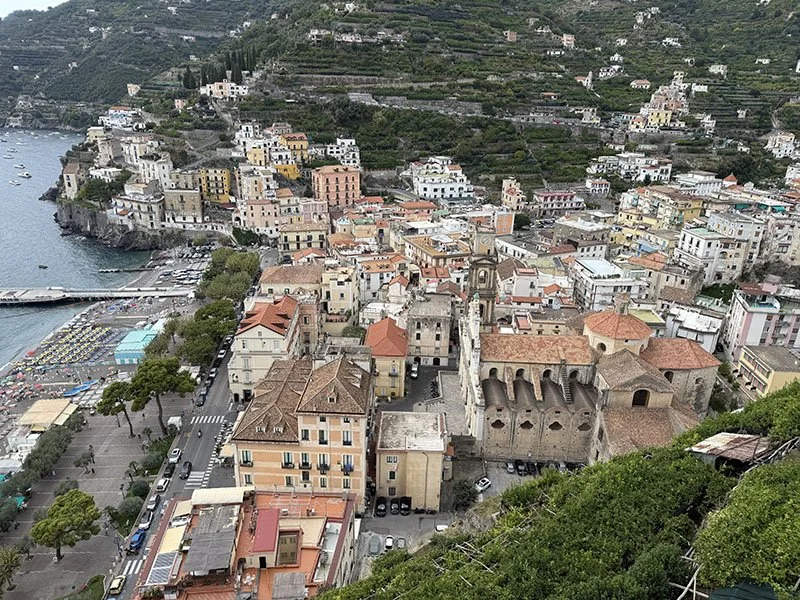
Walking through the hillside villages of Minori and Cinque Terre, we were reminded that the best communities evolve from their landscape rather than compete with it. Homes cascade down impossibly steep cliffs, each one slightly different, painted in warm ochres, soft pinks, terracotta reds, and muted greens. Rather than striving for perfection or uniformity, the villages embrace individuality while creating a harmonious whole. It is a lesson in context and restraint: architecture should belong to its place.
The same philosophy extends indoors. Italian interiors rarely feel over-designed. Instead, they are layered over generations with natural stone, aged wood, handcrafted ceramics, linen fabrics, and furnishings chosen for longevity rather than trends. There is an authenticity that comes from allowing materials to age gracefully. A worn stone floor or weathered timber beam isn't seen as something to replace—it becomes part of the home's story. As interior designers, it's a reminder that timeless spaces are built from honest materials, thoughtful proportions, and quality craftsmanship rather than constant reinvention.
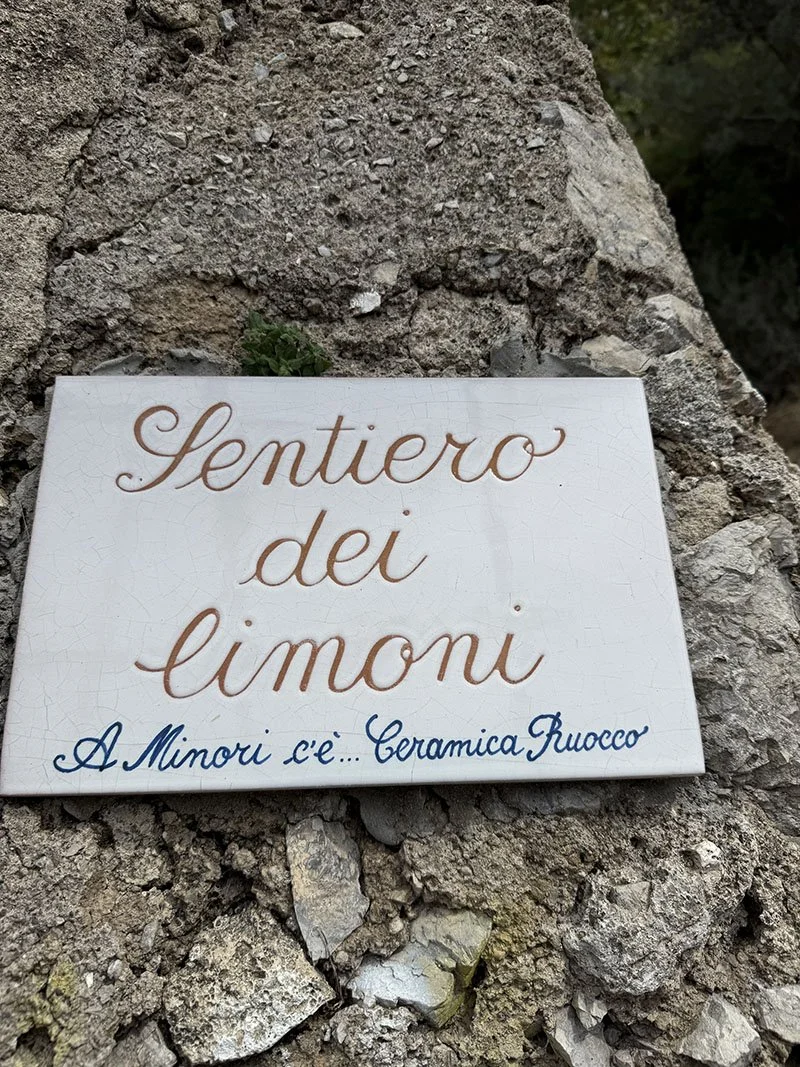
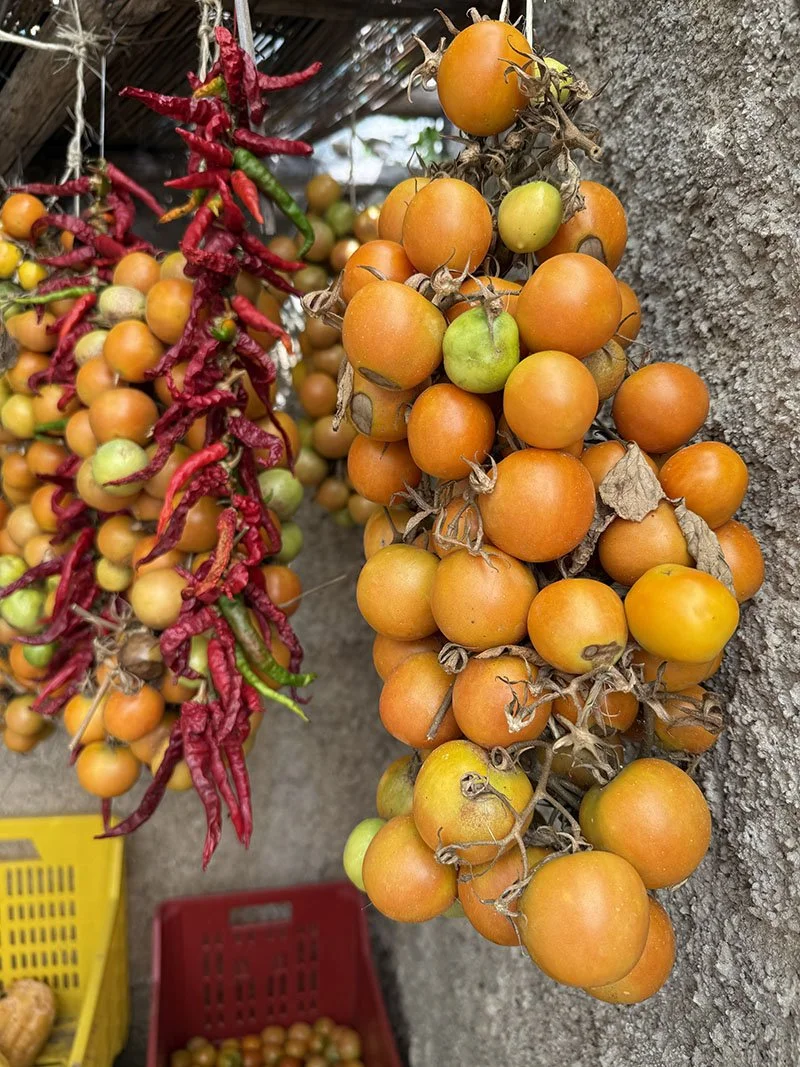

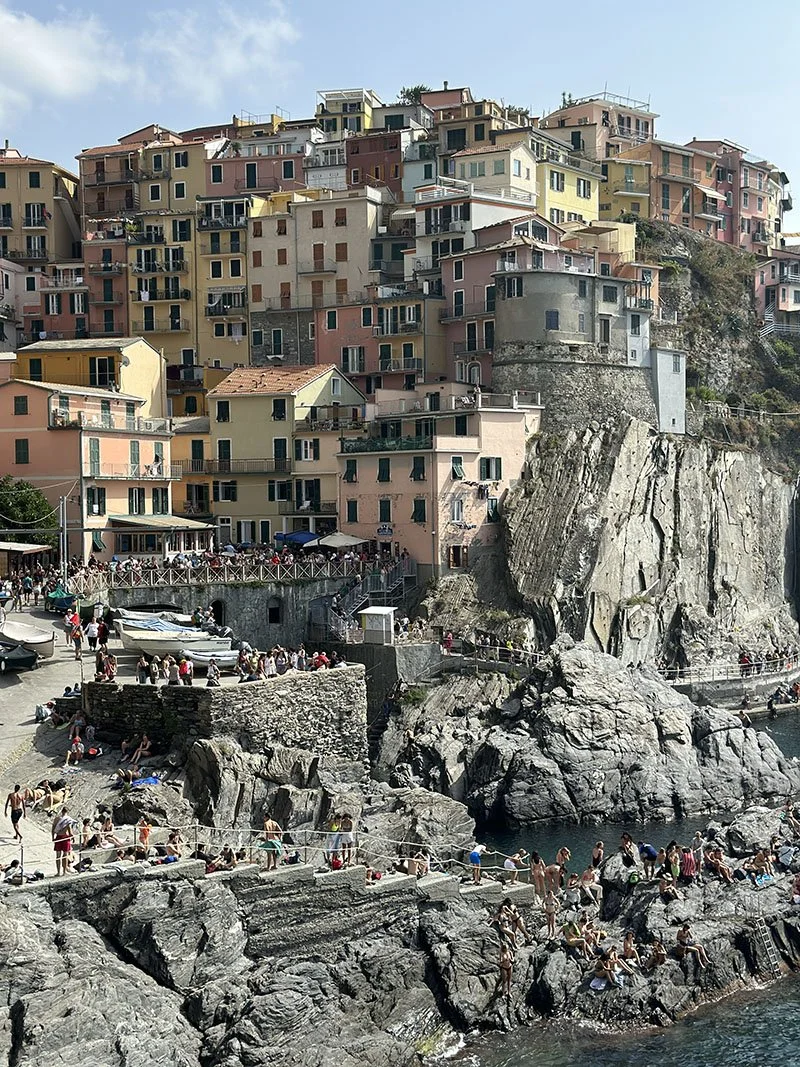
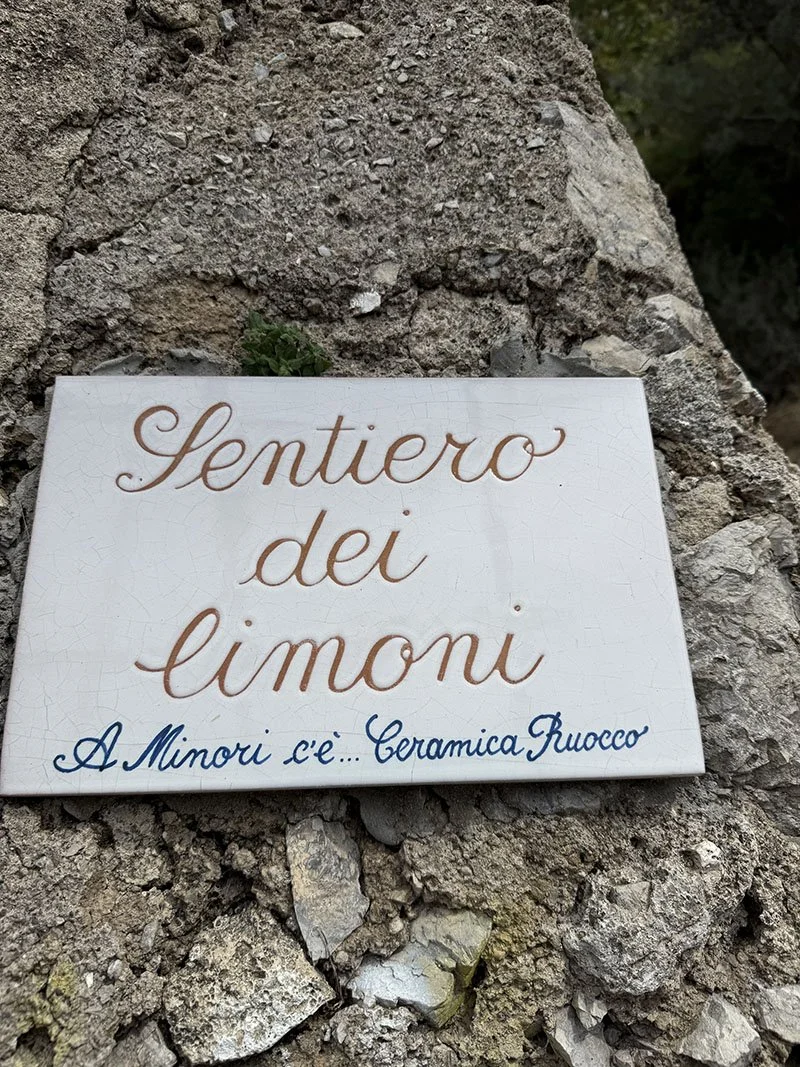
Colour was another lesson that surprised us. While North American design often gravitates toward neutral palettes, Italy embraces colour with confidence. The vibrant facades of Cinque Terre, colourful market produce, handmade ceramics, and painted shutters all contribute to an environment that feels joyful without becoming overwhelming. Even the smallest details—from a hand-painted street sign to a basket overflowing with peaches and tomatoes—reflect an appreciation for beauty in everyday objects. These aren't decorative gestures; they are simply part of daily life.
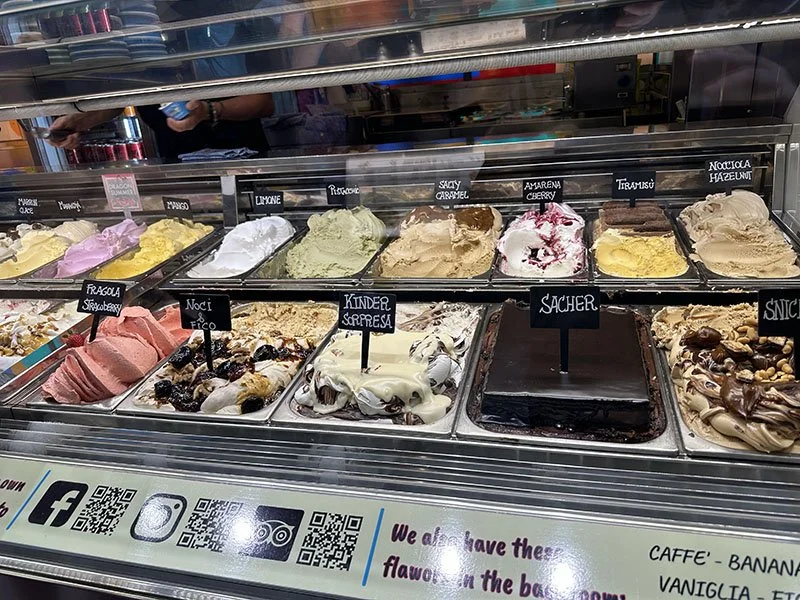
Food, of course, was central to the experience. Every market and small grocery reinforced the importance of fresh, local ingredients. Fruit and vegetables were displayed with pride rather than abundance, often harvested only hours before reaching the market. Meals were remarkably simple: ripe tomatoes, fresh peaches, local cheeses, seafood, olive oil, herbs, and crusty bread prepared with care rather than complexity. Even gelato, enjoyed without guilt on a warm afternoon, felt like a celebration of quality over quantity. The Italian approach isn't about restriction—it's about balance, freshness, and taking the time to savour each meal.
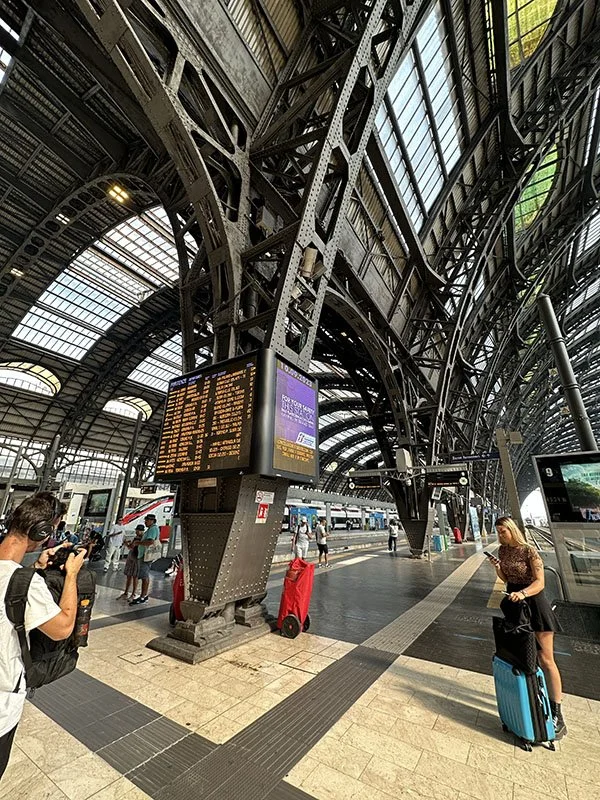
Perhaps the greatest lesson was how movement is naturally integrated into daily life. Exploring these communities meant climbing hundreds of stairs, walking winding streets, navigating train stations, and wandering waterfronts for hours without thinking of it as exercise. Physical activity wasn't scheduled; it was simply how the cities functioned. Combined with fresh food, slower meals, and time spent outdoors, it's easy to understand why the Italian lifestyle supports both physical and mental well-being.
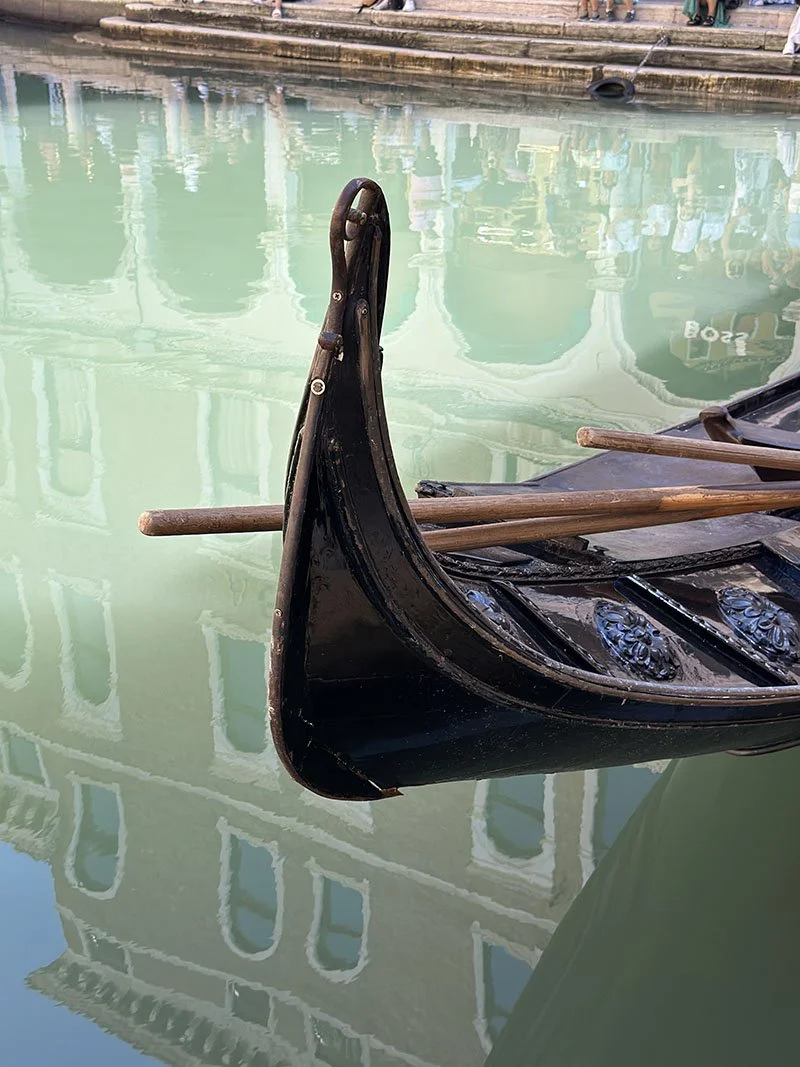
Venice offered a completely different but equally inspiring perspective. In a city without cars, people move at a human pace. Narrow laneways open unexpectedly into lively squares, canals replace roads, and every journey is made on foot or by boat. The city constantly reminds you to slow down, look up, and appreciate details that would otherwise go unnoticed—weathered stone facades reflected in the canals, centuries-old craftsmanship, or the graceful curve of a gondola resting against ancient buildings. There is an incredible richness that comes from designing places for people first rather than vehicles.
For both of us, the trip reinforced principles that continue to shape our work. Great design isn't about creating something flashy or fashionable. It begins with understanding place, respecting local materials, designing for longevity, and creating spaces that encourage connection—to family, to community, and to the landscape around us.
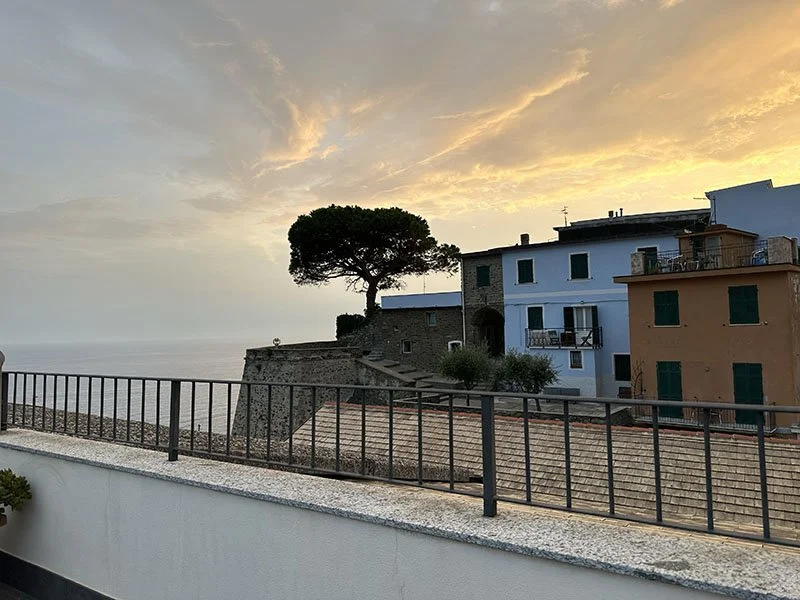
We returned home inspired not by grand monuments or famous landmarks, but by the ordinary moments: morning markets filled with seasonal produce, colourful villages perched above the sea, quiet terraces overlooking the Mediterranean, evening walks through centuries-old streets, and conversations shared over simple meals. Italy reminded us that thoughtful design and healthy living are deeply connected. When architecture, interiors, food, and community work together, they create places that don't just look beautiful—they make everyday life richer.
It's a philosophy we'll continue to bring into every project: designing homes and communities that are timeless, authentic, and meant to be lived in.